
Creating a beautiful home does not always require expensive furniture, professional renovations, or complicated decoration techniques. Sometimes, small changes in furniture arrangement, wall colors, lighting, and decorative accessories can make a noticeable difference. The important thing is understanding how different elements work together to create a comfortable and attractive environment.
The keyword interior design tips mintpaldecor relates to finding useful ideas for improving indoor spaces while maintaining a balance between appearance and functionality. MintPalDecor is associated with home decoration inspiration and practical design guidance. However, good interior design is not simply about following trends or copying pictures from the internet. It involves understanding your available space, personal preferences, daily requirements, and budget. With thoughtful planning, anyone can make their home more welcoming and organized.
What Are Interior Design Tips Mintpaldecor?
Interior design tips Mintpaldecor can be understood as practical suggestions for making indoor spaces more attractive, comfortable, and functional. These ideas cover different aspects of home decoration, including furniture selection, color combinations, lighting arrangements, storage solutions, and decorative accessories.
The main purpose of these suggestions is to help homeowners make better decisions before changing their living spaces. For example, choosing furniture that matches the size of a room can prevent overcrowding, while selecting suitable wall colors can create a more balanced appearance.
Good interior design considers several important factors:
-
Comfort: Furniture and decorations should support everyday activities.
-
Functionality: Every room should serve its intended purpose.
-
Appearance: Colors, textures, and accessories should complement one another.
-
Organization: Storage solutions should help maintain a clean environment.
-
Personal style: Interior choices should reflect the people living in the home.
These principles make interior decoration easier to understand, even for people who have limited experience with home improvement.
Why Is Good Interior Design Important for Every Home?
A well-designed home provides more than an attractive appearance. It can make everyday activities easier and help residents enjoy their surroundings. When furniture, lighting, storage, and decoration are arranged thoughtfully, rooms become more practical and comfortable.
For example, a living room with suitable seating and enough walking space can make family gatherings more enjoyable. Similarly, a bedroom with comfortable furniture, appropriate lighting, and fewer unnecessary objects can provide a more relaxing atmosphere.
Good interior design also helps homeowners use available space efficiently. Small apartments and houses can benefit from multifunctional furniture, wall-mounted shelves, and organized storage areas.
Another important advantage is consistency. When different rooms share complementary colors, materials, and decorative details, the entire home can feel connected without making every room look identical.
Ultimately, successful interior design is about creating spaces that look good while supporting the lifestyle and needs of the people who use them.
10 Practical Interior Design Tips Mintpaldecor for a Better Home
Improving your home becomes easier when you follow a clear plan instead of purchasing decorations without considering their purpose. The following interior design tips Mintpaldecor can help you make thoughtful changes while keeping your home comfortable and visually appealing.
1. Understand Your Space Before Decorating
Before purchasing furniture or selecting paint colors, take time to understand your available space. Measure the length and width of each room and identify the positions of windows, doors, electrical outlets, and other fixed features.
Consider how you use the room throughout the day. A living room may need comfortable seating and entertainment space, while a home office requires a suitable desk, storage, and proper lighting.
You should also identify the areas that need improvement. Sometimes, moving existing furniture or removing unnecessary objects can improve a room without spending additional money.
Practical suggestion: Make a simple room sketch and write down the furniture you want to keep before purchasing anything new.
2. Select a Balanced Color Combination
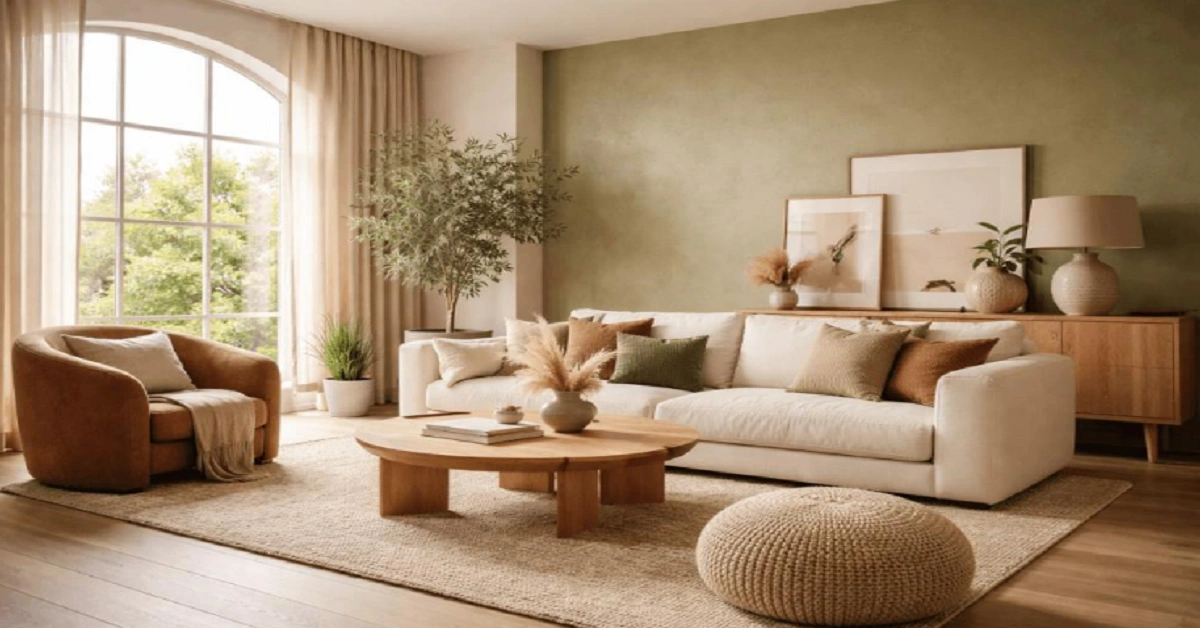
Start with a main color for larger surfaces, such as walls and major furniture pieces. Then introduce supporting colors through curtains, cushions, rugs, and decorative accessories.
Some useful combinations include:
-
White and beige: Suitable for soft, simple, and timeless interiors.
-
Grey and natural wood: Creates a balanced contemporary appearance.
-
Olive green and cream: Brings a natural and relaxed feeling.
-
Navy blue and white: Adds contrast and a more formal appearance.
-
Terracotta and warm beige: Creates an earthy and welcoming atmosphere.
You can also experiment with the 60-30-10 color distribution approach. It uses approximately 60% of a dominant color, 30% of a supporting color, and 10% of an accent color.
However, this is a flexible decorating guideline rather than a strict requirement. Always test paint samples under the lighting conditions of your room before making a final decision.
3. Arrange Furniture According to Room Size
Furniture arrangement plays an important role in making a home functional. Even attractive furniture can make a room uncomfortable when pieces are too large or positioned incorrectly.
Start by identifying the main activity of the room. In a living room, arrange seating around a suitable focal point, such as a television, fireplace, or large window.
Avoid placing every piece of furniture directly against the walls. Depending on the room size, bringing seating slightly closer together can create a more inviting arrangement.
Consider these suggestions:
-
Measure furniture before purchasing it.
-
Keep walking paths clear.
-
Avoid blocking doors and windows.
-
Choose compact furniture for smaller rooms.
-
Leave enough space between frequently used furniture pieces.
-
Use multifunctional furniture when additional storage is necessary.
For smaller homes, sofa beds, storage ottomans, foldable tables, and beds with built-in drawers can provide additional functionality without filling the entire room.
4. Use Different Types of Lighting
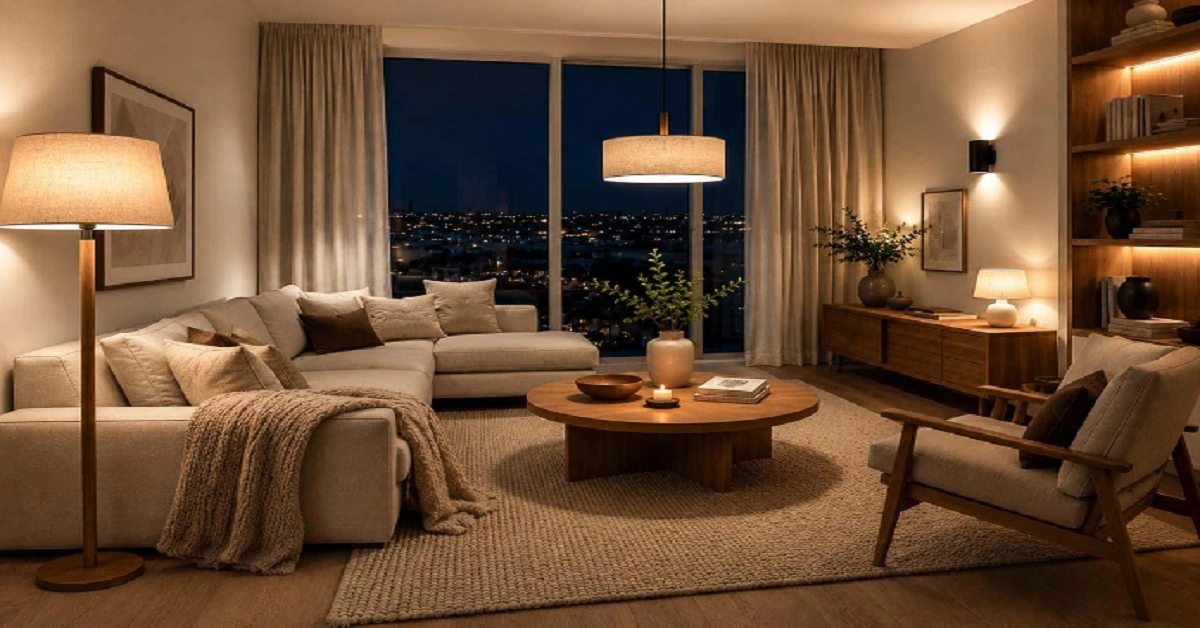
Lighting can change how a room looks and functions. A single ceiling light may provide general illumination, but different activities often require different lighting arrangements. If you want to know more about this, click here.
A practical lighting plan includes three main types:
Ambient lighting: Provides general illumination through ceiling lights, chandeliers, or other main fixtures.
Task lighting: Helps with specific activities, such as reading, cooking, studying, and working. Desk lamps and under-cabinet lights are common examples.
Accent lighting: Highlights selected decorative elements, including artwork, shelves, plants, and architectural details.
Natural light is equally important. Use suitable curtains that allow daylight into the room while maintaining privacy. Mirrors can also help distribute available light throughout an interior.
The Natural Resources Canada Home Lighting Design Guide explains how combining different lighting layers can improve both the functionality and appearance of residential spaces.
5. Add Texture to Create Visual Interest
A room can look unfinished when every surface and decorative item has a similar appearance. Different textures introduce depth and make interiors feel more welcoming.
You do not need expensive materials to achieve this effect. Natural wood, woven baskets, cotton curtains, linen cushions, ceramic accessories, and soft rugs are simple options.
For example, a plain living room can become more interesting by combining a fabric sofa with a wooden coffee table, a textured rug, and a few decorative cushions.
Try to balance different materials rather than introducing too many competing patterns. The goal is to create a comfortable combination that feels connected.
6. Make Small Rooms Feel More Spacious
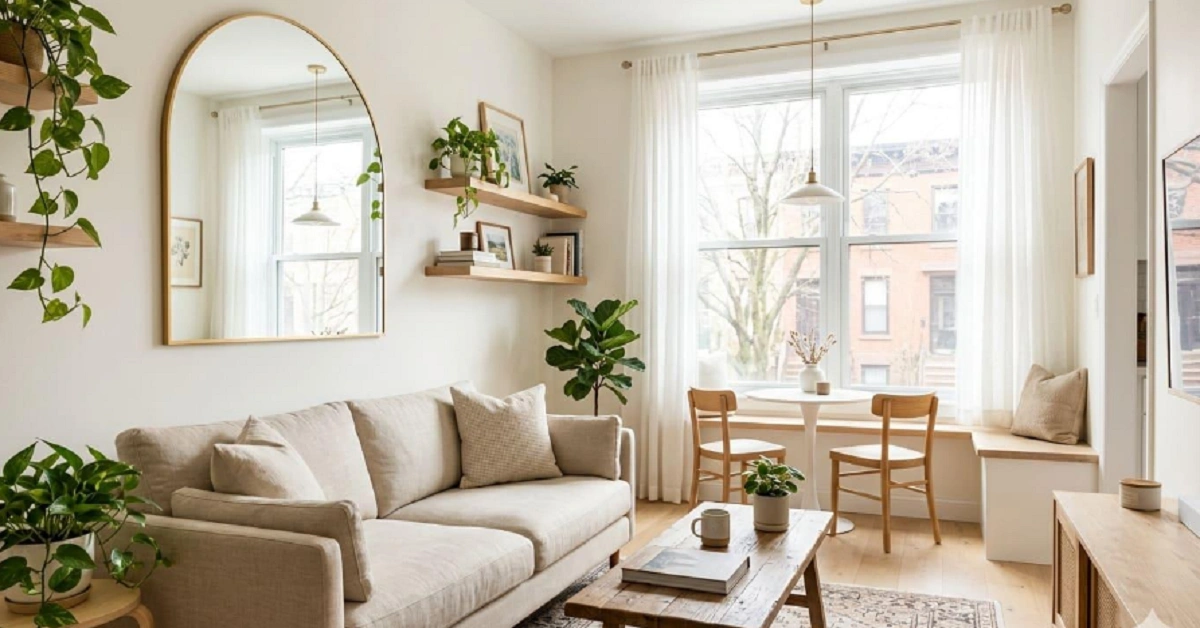
One useful approach is to select furniture that serves more than one purpose. A storage bed, folding dining table, or wall-mounted desk can help you use limited space efficiently.
Other useful ideas include:
-
Choose lighter wall colors if you prefer an open appearance.
-
Install shelves to use vertical wall space.
-
Place mirrors where they can reflect available daylight.
-
Avoid oversized decorative accessories.
-
Use furniture with visible legs to maintain an open appearance.
-
Keep floors and frequently used surfaces organized.
Another helpful technique is creating separate functional areas without building additional walls. A rug, bookshelf, or carefully positioned sofa can visually separate a working area from a relaxation space.
These approaches are particularly useful for studio apartments and compact family homes.
7. Choose Decorations That Reflect Your Personality
Interior decoration should represent the people who live in the home. Following popular trends is not necessary if those styles do not match your preferences.
Personal decorations can include family photographs, artwork, travel souvenirs, handmade objects, books, or meaningful collections.
Instead of filling every shelf and wall, select a few items that have personal value or complement the room’s overall appearance.
For example, a small collection of framed photographs can make a hallway more personal, while handmade pottery or decorative plants can add character to a living room.
The most important thing is maintaining a balance between personal expression and organization.
8. Bring Natural Elements Indoors
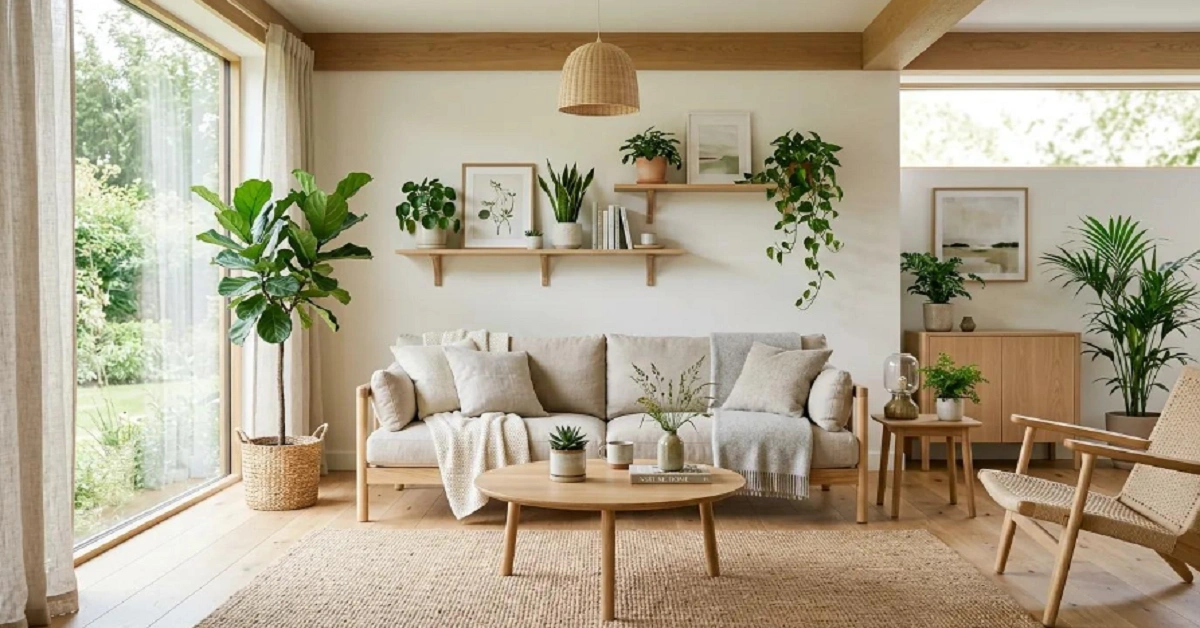
Natural materials and indoor plants can introduce a refreshing appearance into residential interiors. If you want to know more about this, click here.
Consider adding indoor plants that suit the available daylight and the amount of care you can provide. Snake plants, pothos, and some varieties of indoor palms are popular choices, although their suitability depends on room conditions.
You can also introduce natural elements through wooden furniture, woven baskets, cotton fabrics, and stone-inspired decorative accessories.
If maintaining live plants is difficult, natural textures and botanical artwork can still create a connection with nature.
Try to select materials that suit your climate and household requirements. In particular, consider ventilation, humidity, and maintenance before introducing new materials.
9. Improve Storage and Organization
Good storage is an important part of interior design because it helps maintain an organized appearance.
When everyday belongings do not have designated places, even a beautifully decorated room can quickly become untidy.
You can improve organization by introducing:
-
Storage baskets for small household belongings.
-
Wall-mounted shelves for books and accessories.
-
Drawer organizers for clothing and personal items.
-
Hidden storage furniture for bedrooms and living rooms.
-
Kitchen cabinets that make frequently used items accessible.
-
Decorative boxes for objects that are not needed every day.
It is also helpful to review your belongings before purchasing additional storage products. Removing unnecessary items can create more usable space without requiring extra furniture.
10. Decorate Gradually Instead of Changing Everything
A complete home makeover can require considerable time, planning, and money. Fortunately, you do not need to change every room at once.
Start with the area that needs the most attention. You might repaint one wall, replace outdated curtains, improve lighting, or rearrange existing furniture.
Once you are satisfied with the results, move to another area.
This gradual approach gives you time to understand which changes work best and prevents unnecessary purchases. It also allows you to maintain a consistent design throughout the home.
How Can You Apply Interior Design Tips Mintpaldecor on a Limited Budget?
A beautiful interior does not always depend on expensive furniture or luxury accessories. Many improvements can be completed using existing household items and affordable decorative changes.
The first step is identifying which parts of your home need attention. Spending money on unnecessary decorations will not solve problems caused by poor furniture placement, insufficient lighting, or a lack of organization.
Consider these affordable improvements:
| Home improvement | Budget-friendly idea |
|---|---|
| Living room | Rearrange existing seating and add cushions |
| Bedroom | Change bedding and organize bedside tables |
| Kitchen | Organize cabinets and clear countertops |
| Walls | Add affordable framed artwork |
| Lighting | Replace unsuitable bulbs with appropriate lighting |
| Storage | Use baskets and existing organizers |
| Windows | Choose simple, suitable curtains |
| Decoration | Introduce a few indoor plants |
Another useful strategy is comparing prices before purchasing furniture or home accessories. You can explore local furniture markets, secondhand shops, and online stores to find suitable options.
Remember that quality and usefulness are more important than the number of decorative items you purchase.
Which Interior Design Ideas Work Best for Different Rooms?
Every room has different requirements. A decoration idea that works beautifully in a living room may not be suitable for a kitchen or bedroom. Understanding these differences helps you make better design decisions.
Living Room Design
The living room is often a shared space where family members relax and guests spend time. Comfortable seating, suitable lighting, and an organized furniture arrangement should be the main priorities.
Choose a focal point, introduce complementary colors, and use a rug to define the seating area. Avoid adding too many accessories because they can make the room feel crowded.
Bedroom Design
A bedroom should provide a comfortable environment for rest and personal activities. Choose suitable bedding, practical bedside tables, and soft lighting.
Neutral colors, simple decorations, and organized storage can help create a peaceful appearance. Avoid unnecessary furniture that reduces available walking space.
Kitchen Design
A well-organized kitchen makes cooking and cleaning easier. Keep frequently used items accessible and organize cabinets according to their purpose.
Good task lighting, practical countertops, and sufficient storage are important considerations. You can also improve the appearance with coordinated cabinet handles, clean surfaces, and simple decorative accessories.
Bathroom Design
Bathroom design should prioritize cleanliness, functionality, and moisture-resistant materials.
Use suitable storage shelves, mirrors, proper ventilation, and appropriate lighting. Choose accessories that complement the bathroom’s existing colors and materials.
Common Interior Design Mistakes You Should Avoid
Even small decorating mistakes can affect the appearance and functionality of a home. Understanding these problems before starting a project can save time and money.
Here are some common mistakes worth avoiding:
-
Buying furniture without measuring: Oversized furniture can reduce walking space and make rooms uncomfortable.
-
Using too many colors: Excessive color combinations can make an interior look visually disconnected.
-
Ignoring lighting: Depending entirely on one ceiling fixture may leave important areas poorly illuminated.
-
Overdecorating rooms: Too many accessories can create unnecessary clutter.
-
Following every new trend: Popular styles may not match your personal preferences or household needs.
-
Ignoring storage requirements: Attractive interiors still need practical places for everyday belongings.
-
Choosing appearance over comfort: Furniture should be comfortable and suitable for its intended purpose.
The best approach is to make decisions according to your actual requirements rather than trying to recreate an interior that looks attractive only in photographs.
What Makes MintPalDecor Different from General Interior Design Advice?
MintPalDecor is associated with online home decoration inspiration and practical interior design content. Its website, MintPalDecor, presents topics such as interior decoration, furniture selection, home improvement, color inspiration, and storage solutions.
The keyword itself does not establish that MintPalDecor has a unique professional design method or that its suggestions are independently tested by qualified interior designers.
However, readers can use the ideas associated with MintPalDecor alongside established interior design principles.
For example, they can:
-
Compare different decoration styles before choosing one.
-
Learn how to coordinate furniture and wall colors.
-
Explore practical storage arrangements.
-
Understand the importance of natural and artificial lighting.
-
Find affordable ways to refresh existing interiors.
-
Adapt decoration ideas to different room sizes.
The most useful design guidance is the kind that readers can understand, evaluate, and apply according to their individual circumstances.
What Can We Confirm About Interior Design Tips Mintpaldecor?
There are several points that help explain the keyword and its search intent.
-
MintPalDecor is used as the name of an online home decoration and design inspiration website.
-
Its published content covers interior design, home improvement, and decoration ideas.
-
The keyword primarily relates to practical ways of improving residential interiors.
-
General interior design principles include functionality, appropriate lighting, space planning, and visual balance.
-
No particular individual or professional designer needs to be associated with the keyword to understand its meaning.
-
Readers should evaluate specific recommendations according to their space, budget, and requirements.
These points provide a clearer understanding of the topic without assuming that every online design recommendation represents a verified professional standard.
Frequently Asked Questions (FAQs)
1. What does interior design tips Mintpaldecor mean?
Interior design tips Mintpaldecor refers to practical home decoration and interior styling ideas associated with MintPalDecor. The topic includes furniture arrangement, color selection, lighting, storage, and ways to make residential spaces more comfortable.
2. How can I improve my home interior without spending too much money?
Start by rearranging existing furniture, removing unnecessary belongings, and improving lighting. You can also introduce affordable cushions, curtains, indoor plants, and decorative accessories to refresh your rooms without undertaking major renovations.
3. Which colors are best for modern home interiors?
Neutral shades such as beige, white, cream, and soft grey are popular choices for modern interiors. You can combine them with earthy shades, olive green, navy blue, or other accent colors to create a more personalized appearance.
4. How can I make a small room look bigger?
Use appropriately sized furniture, lighter wall colors, mirrors, and organized storage. Keep unnecessary objects away from walking areas and use vertical shelves to make better use of available space.
5. Why is lighting important in interior design?
Lighting affects how people use and experience indoor spaces. Ambient lighting provides general illumination, task lighting supports specific activities, and accent lighting highlights decorative features. Combining these lighting types creates a more functional environment.
6. How often should I update my home decoration?
There is no fixed schedule for changing home decoration. You can update your interiors whenever your requirements, preferences, or available space change. Small seasonal adjustments can also refresh a room without requiring a complete makeover.
7. Can I follow interior design tips without hiring a professional?
Yes. Many basic decorating tasks, including furniture arrangement, selecting colors, organizing storage, and choosing accessories, can be completed independently. However, structural changes, electrical work, and complicated renovation projects may require qualified professionals.
8. What should I consider before starting an interior design project?
Consider your budget, room dimensions, lighting, furniture requirements, personal preferences, and intended use of the space. Preparing a simple plan before purchasing materials or decorations can help you avoid unnecessary expenses.
Final Thoughts
Interior Design Tips Mintpaldecor offers a useful topic for readers looking for practical ways to improve their homes. Creating an attractive interior does not require expensive decorations or following every popular trend. Understanding your space, selecting suitable colors, arranging furniture carefully, improving lighting, and maintaining proper organization can make a meaningful difference.
The most important thing is to create an environment that reflects your personal style while supporting your everyday needs. Start with small improvements, make thoughtful choices, and gradually develop a home that feels comfortable, functional, and welcoming. For more information, click here.