
Why interior design is interesting mintpaldecor is a topic that attracts people who want to make their homes, offices, or any interior space beautiful, comfortable, and more functional. Many people think that Interior Design is only about expensive furniture, wall colors, or decorative items. However, in reality, it is a broad field that involves creative thinking, planning, human needs, and solving practical problems.
The most interesting thing about interior design is that it can transform an ordinary space into an environment that matches people’s needs and lifestyles. This article explains why Interior Design is interesting, what makes it unique, and what beginners can learn from it under the Mintpaldecor topic.
What Is Interior Design and How Is It Different from Decoration?
Interior Design is the process of planning, arranging, and improving an indoor space. It includes furniture, lighting, colors, materials, space division, safety, and everyday usability.
According to the Council for Interior Design Qualification (CIDQ), the purpose of interior design is to arrange indoor environments in a way that better supports human experiences, health, safety, and practical needs. It is not only about visual beauty but also about the functionality of a space.
It is also important to understand the difference between Interior Decoration and Interior Design. Decoration focuses more on colors, curtains, furniture, and decorative items, while Interior Design also includes space planning, lighting, usability, movement, and sometimes technical requirements.
This broader scope makes interior design an interesting field that offers continuous learning.
Why Interior Design Is Interesting Mintpaldecor: 10 Important Reasons
1. The Opportunity to Turn Creativity into Reality
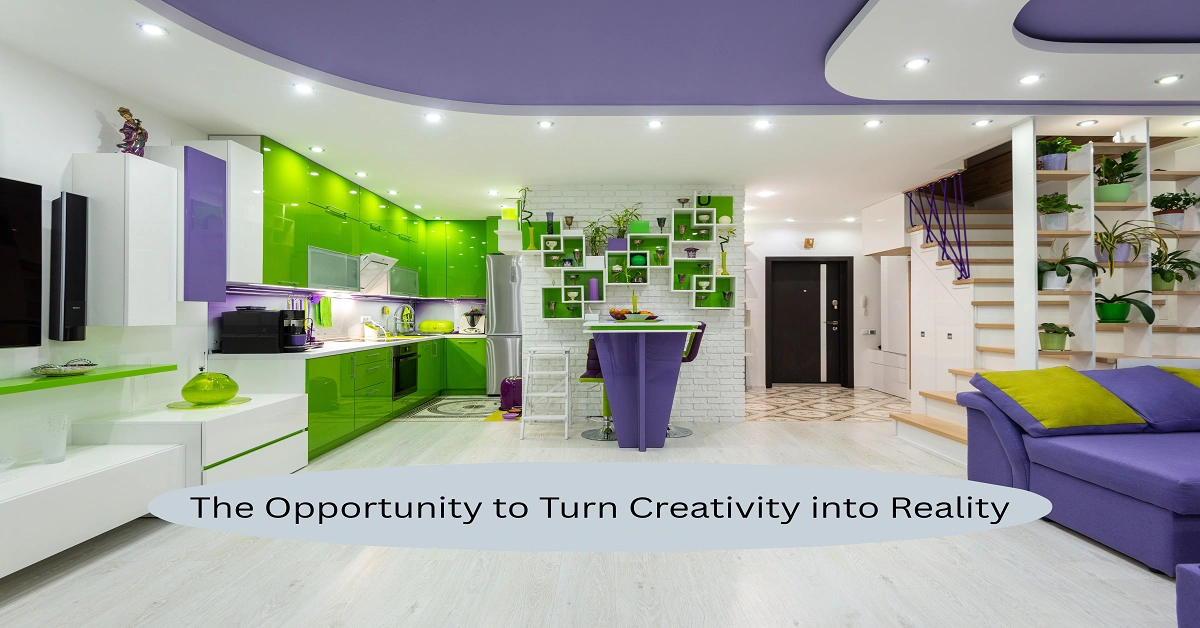
One of the most interesting features of Interior Design is turning creative thinking into a real environment. A person can use their ideas, favorite colors, and different styles to make a space unique.
For example, a simple room can be transformed into a new environment through wooden elements, soft colors, suitable lighting, and a few decorative items.
Here, creativity is not limited to choosing beautiful things. A designer also needs to consider how different elements will work together.
2. Finding Different Solutions for Every Space
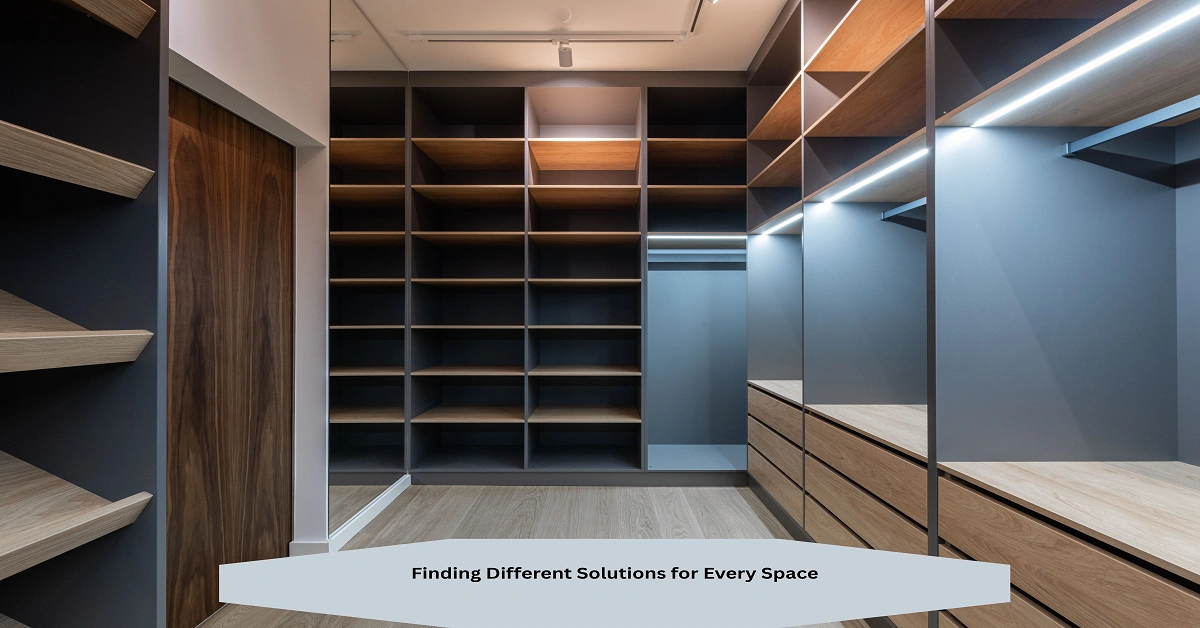
Every home, room, and office is different according to its needs. A large home may have open space and room for extra furniture, while a small apartment requires careful planning for everything.
This difference makes Interior Design interesting.
Instead of using the same solution for every space, a designer needs to find new ideas for each situation. For example:
- Placing furniture along the walls in a small room.
- Creating additional storage in limited space.
- Using the same room for studying and relaxing.
- Making the most of natural light.
Finding different solutions for every problem keeps the design process fresh and interesting.
3. Changing the Environment Through Colors
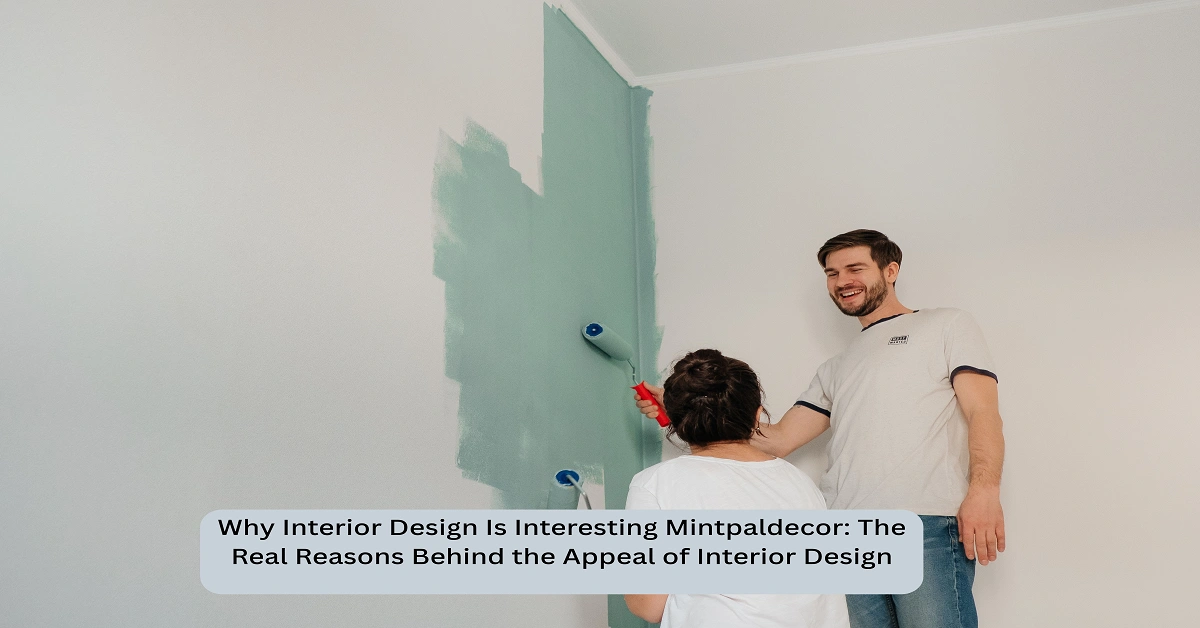
Colors are an important part of Interior Design because they can influence the visual appearance and atmosphere of a space.
Light colors can make some rooms feel brighter and more open, while darker colors can give a space a deeper, more noticeable, or comfortable appearance. However, the effect of colors also depends on lighting, room size, personal preferences, and other elements.
For example, white, cream, and light beige can help create a simple and bright appearance. On the other hand, dark green or blue can be used to highlight a particular wall or piece of furniture.
Choosing colors becomes interesting because even a small change can alter the overall appearance of a room.
4. The Ability to Solve Everyday Problems
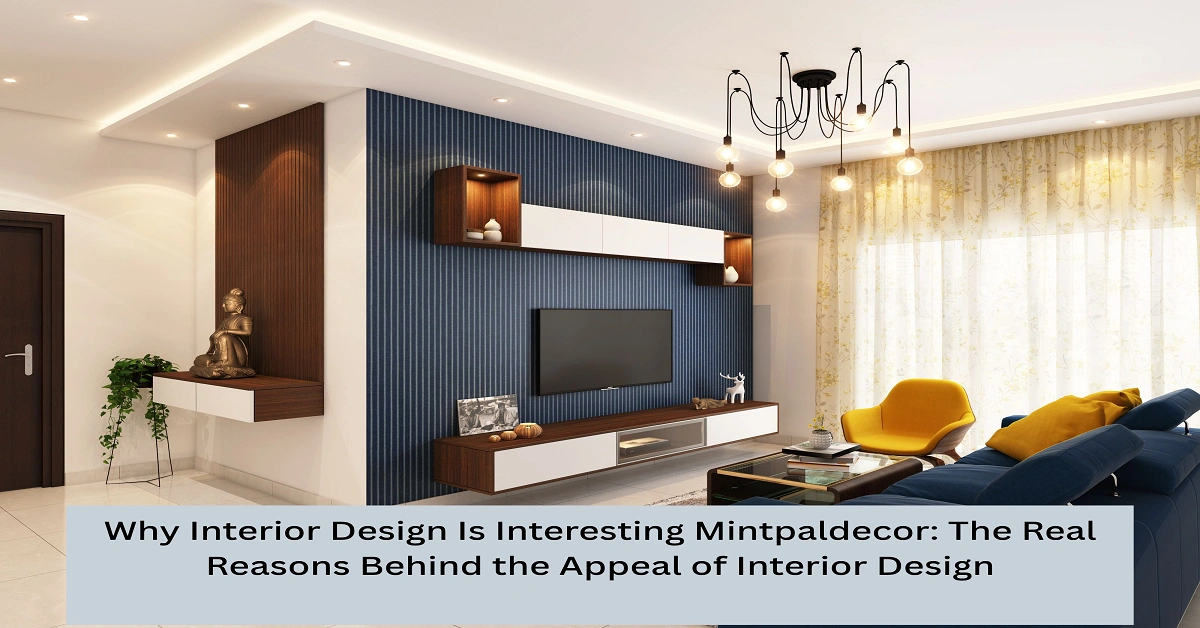
Interior Design is also a way to solve problems along with creating beauty. These problems may include situations people face in their homes every day.
For example:
- Lack of space for storing belongings.
- Blocked pathways because of furniture.
- Rooms feeling uncomfortable due to poor lighting.
- Clutter caused by unnecessary items.
- Lack of suitable space for work and relaxation.
A good design identifies these problems and finds practical solutions.
This aspect makes Interior Design especially interesting because its results are not only visually attractive but also useful in everyday life.
5. The Relationship Between Human Feelings and the Environment
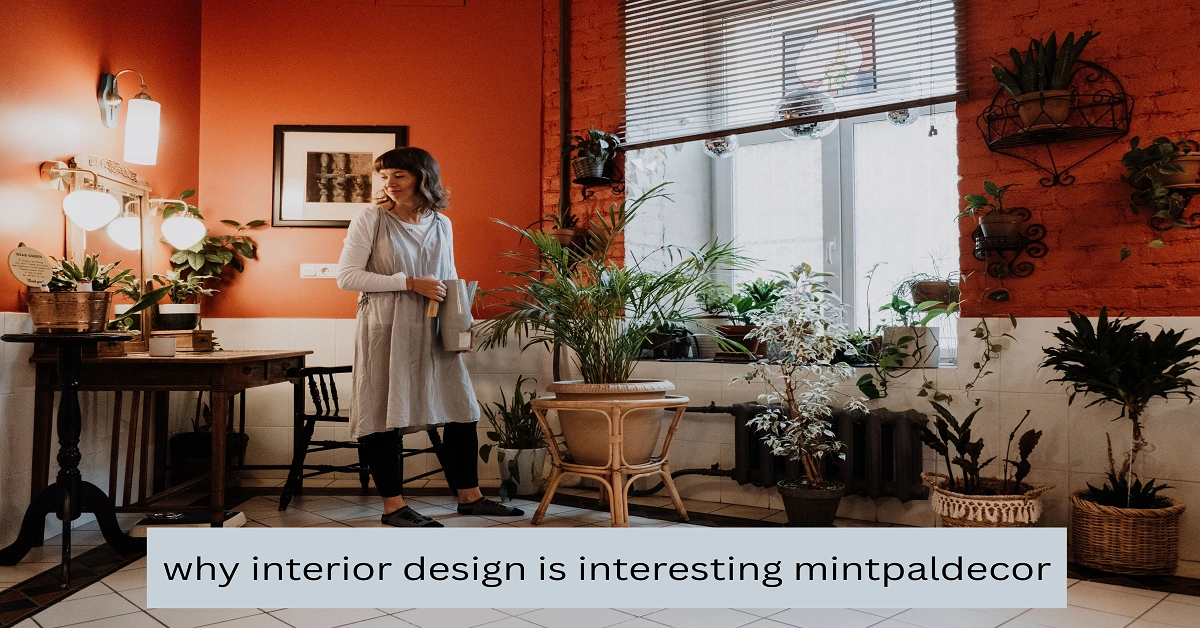
Can the design of a room influence our feelings?
The answer is yes, but this effect is not the same for everyone. Lighting, colors, sounds, space arrangement, and surrounding objects can influence how we experience our environment.
According to the American Psychological Association, people are influenced by their surroundings, and the arrangement of a space can relate to their feelings and experiences.
For example, a clean and organized room may help some people feel more relaxed, while too many belongings and disorganized objects may feel distracting to others.
This is why human needs and comfort are given importance in Interior Design.
6. Noticeable Results from Small Changes
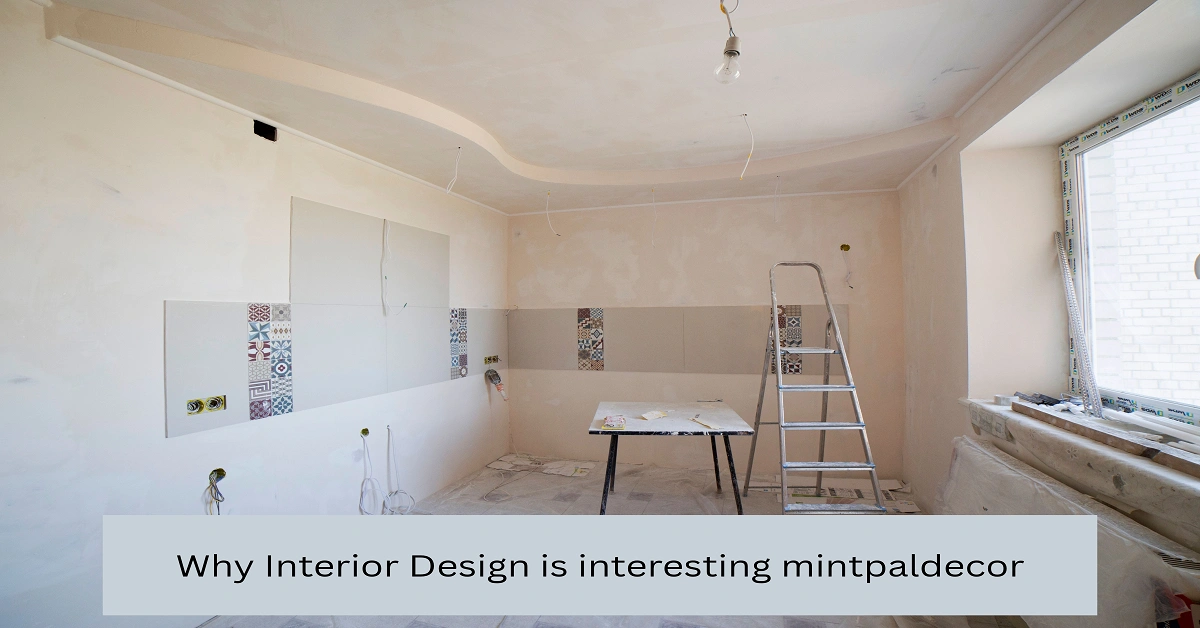
Interior Design does not always require spending a large amount of money or completing a full renovation.
Sometimes, small changes can improve the atmosphere of a room, such as:
- Changing the furniture arrangement.
- Choosing curtains more carefully.
- Adding a suitable rug.
- Removing unnecessary items.
- Keeping pathways for natural light open.
- Adding a small indoor plant.
These changes are especially interesting for beginners because they can experiment with ideas at a low cost.
This process also teaches that successful design is not always about buying more things but about making the right choices.
7. The Opportunity to Understand Different Styles and Cultures
Interior Design offers opportunities to explore different cultures, historical periods, and lifestyles.
Some people prefer Minimalist Design, which emphasizes simplicity and fewer objects. Others may prefer Traditional, Scandinavian, Industrial, or Bohemian styles.
Every style has its own characteristics.
For example:
- Minimalist: Simplicity, clean arrangements, and fewer decorative elements.
- Scandinavian: Bright environments, natural materials, and simple furniture.
- Industrial: Metal elements, visible structures, and an open appearance.
- Traditional: Classic furniture, traditional details, and balanced arrangements.
Understanding these different styles increases interest in design and helps generate new ideas.
8. Making Better Use of Limited Space
Using space correctly is very important in small homes and apartments. Interior Design provides different practical methods for solving this problem.
For example, a foldable table, a storage bed, or wall-mounted shelves can help save additional space.
A single room can also be arranged for different activities. A person working from home can turn one part of a room into a small office while using the remaining space for relaxation.
This is why Space Planning is an important part of Interior Design. CIDQ also considers space planning, furniture selection, lighting, and functionality among the basic tasks of Interior Design.
9. Eco-Friendly Design and Sustainability
Today, Interior Design also focuses on environmentally friendly materials and sustainable choices.
The purpose of sustainable design is to choose items that can be used for a longer time, reduce unnecessary waste, and support better use of resources.
The following methods can be used:
- Reusing old furniture.
- Choosing durable materials according to needs.
- Making use of natural light.
- Avoiding unnecessary purchases.
- Considering locally available materials.
- Choosing lighting that uses less energy.
This topic is interesting because designers need to balance beauty, practical needs, and the environment.
10. The Opportunity to Learn and Experiment Continuously
Interior Design is a field that always offers room for new experiences and ideas.
You can learn new things by observing different homes, hotels, offices, pictures, and design projects. Over time, you begin to understand which colors, materials, and furniture work better together.
Initially, making the wrong choice can also be part of learning. If a color or furniture arrangement does not feel suitable, it can be changed to achieve a better result.
This freedom makes Interior Design an interesting activity.
How Can You Develop an Interest in Interior Design?
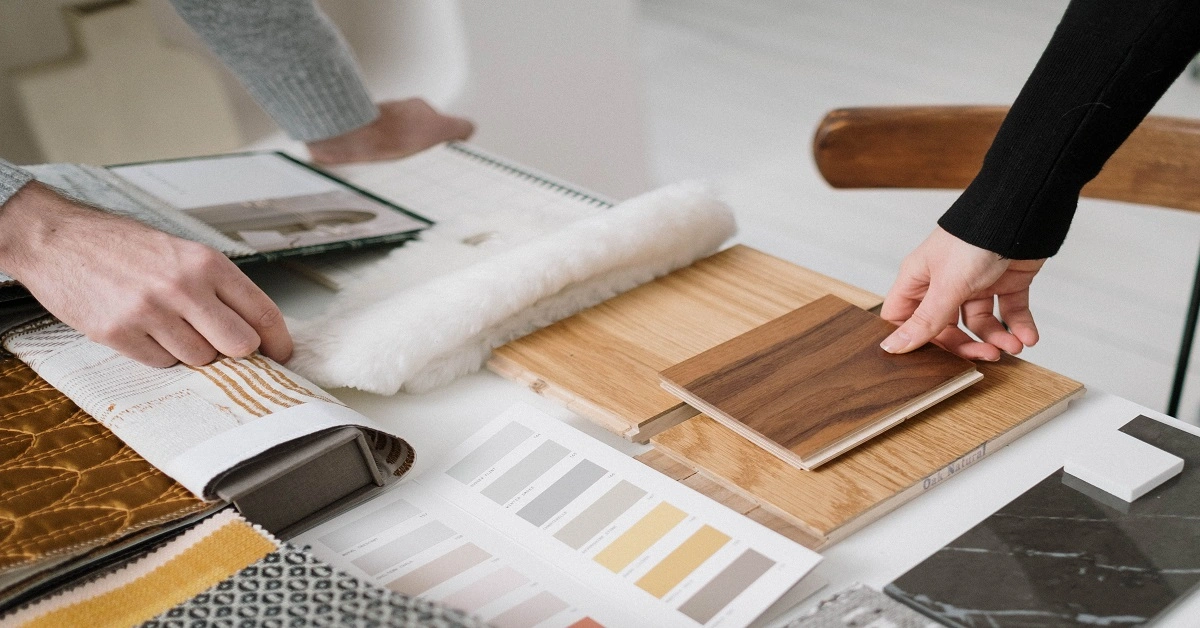
If you are a beginner, you do not need to start with a large project to learn interior design.
Observe a Room
First, look at any room in your home. Notice where the furniture is placed, where the light comes from, and which items make the space feel unnecessarily crowded.
Choose a Small Goal
Instead of changing the entire home, try to solve one problem. For example, make the room brighter or improve the storage space.
Understand Colors and Materials
Look at different color combinations. Try to understand the differences between materials such as wood, fabric, metal, and glass.
Give Importance to Your Budget
You do not need to buy expensive items to learn Interior Design. Rearranging existing furniture and removing unnecessary items can also be useful experiences.
Learn Through Experiments
Take pictures of your design and compare them after making changes. This will help you understand which choices work better.
Can Interior Design Be Interesting for Everyone?
Interior Design may not become everyone’s interest or profession, but its basic principles can be useful for many people.
Homeowners, people living in rented homes, students, new designers, and individuals interested in DIY activities can benefit from this field.
A person does not need to have artistic skills beforehand to develop an interest in it. Observation, experimentation, basic knowledge, and understanding personal needs also play important roles.
However, becoming a professional interior designer may require further education, practical experience, technical knowledge, and an understanding of relevant safety principles.
What Can We Confirm? — Important Points
Several basic points about the topic Why Interior Design Is Interesting Mintpaldecor are clear:
- Interior Design is not limited to visual beauty.
- It includes functionality, comfort, and space planning.
- Colors, lighting, and furniture can influence the experience of a space.
- Small changes can sometimes create noticeable differences.
- Design varies according to individual needs, budgets, and preferences.
- Learning Interior Design does not require a large budget or complete renovation.
These basic principles help explain the importance of Interior Design, but the result of every design depends on the space, the people using it, and their needs.
What Should Readers Avoid Assuming?
It is important to avoid some common misunderstandings about Interior Design.
First, do not assume that expensive furniture automatically creates better design. Similarly, it is not necessary that a popular design trend will be suitable for every home.
No single color or arrangement can be considered the best for everyone. Different people have different preferences, needs, cultures, and daily activities.
Also remember that beautiful pictures do not always represent designs suitable for practical life. In a real home, factors such as cleaning, safety, comfort, budget, and furniture maintenance are also important.
It can be useful to get inspiration from design-related topics such as Mintpaldecor, but making final decisions according to your own needs is better.
Frequently Asked Questions (FAQs)
1. What is the main purpose of Why Interior Design Is Interesting Mintpaldecor?
The purpose of this topic is to explain how Interior Design helps with creativity, better use of space, comfort, and solving everyday problems.
2. Is Interior Design only for making homes beautiful?
No. Along with beauty, it also includes functionality, safety, lighting, furniture arrangement, and space planning.
3. Why is Interior Design interesting for beginners?
Beginners can experiment with small changes, color selection, and furniture arrangements. They do not need a large budget or professional skills at the beginning.
4. Can Interior Design be done on a low budget?
Yes. Changing the arrangement of existing furniture, removing unnecessary items, using suitable lighting, and reusing old items are low-budget methods.
5. What is the difference between Interior Design and Interior Decoration?
Interior Design may include space planning, functionality, and technical requirements. Interior Decoration mainly focuses on choosing colors, furniture, and decorative items.
6. What is the importance of colors in Interior Design?
Colors influence the visual appearance and atmosphere of a space. They should be selected according to lighting, room size, use, and personal preferences.
7. Is a professional course necessary to learn Interior Design?
Basic principles can be learned independently for personal homes or small DIY projects. However, formal education, practical experience, and technical skills may be important for becoming a professional interior designer.
8. What is the most important principle of Interior Design?
There is no single principle that is best for every space, but functionality, comfort, safety, and proper use of space can be considered basic priorities.
Final Thoughts
Why Interior Design Is Interesting Mintpaldecor is a useful topic for understanding that interior design is not only about creating beautiful rooms but also about arranging everyday life in a better way. Creativity, practical thinking, color selection, space planning, and comfort work together in this field. The interesting part of Interior Design is that every space is different, and a new solution can be found for every problem. By starting with small changes, anyone can make their environment more organized, comfortable, and suitable for their needs.